
Conservation in everyday subjects
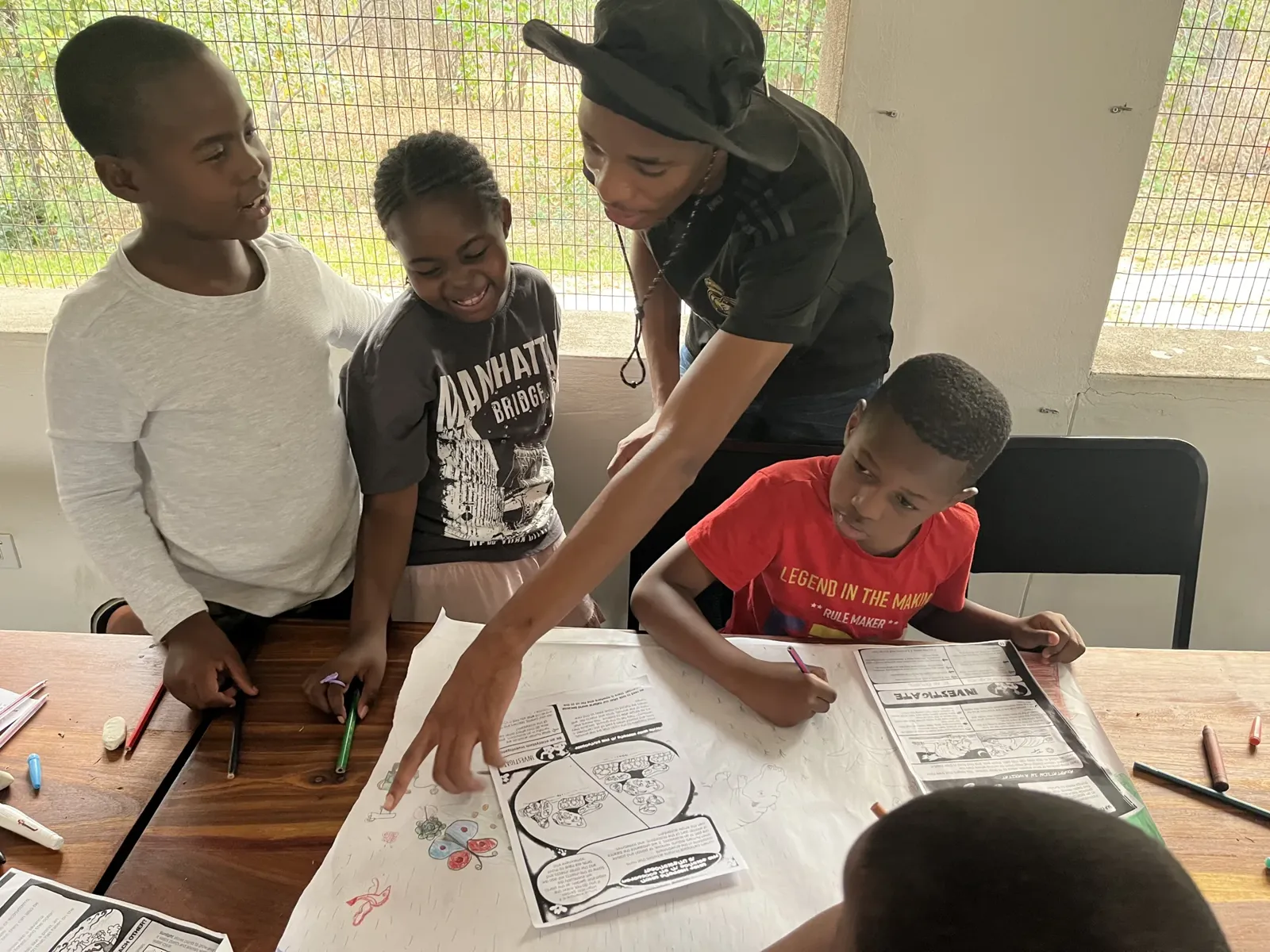
Environmental topics are built into everyday lessons – science, geography, languages, maths and the arts – so conservation becomes part of how children learn, not a once-a-term event.
Our commitment
In the Zambezi Region most families live close to the land – fishing, farming, harvesting natural resources and sharing the landscape with elephants, hippos and crocodiles. How the next generation sees nature will shape the future of this region.
At Wild Kids Academy, conservation is not an extra activity. It runs through the whole school with one goal: to help our learners – and through them their families and community – see nature not as something to be used up, but as something to be looked after.
We want every child to grow into an adult who does not pollute but contemplates the environment; who does not poach but loves wildlife; who does not deplete but uses natural resources sustainably.
How we do it
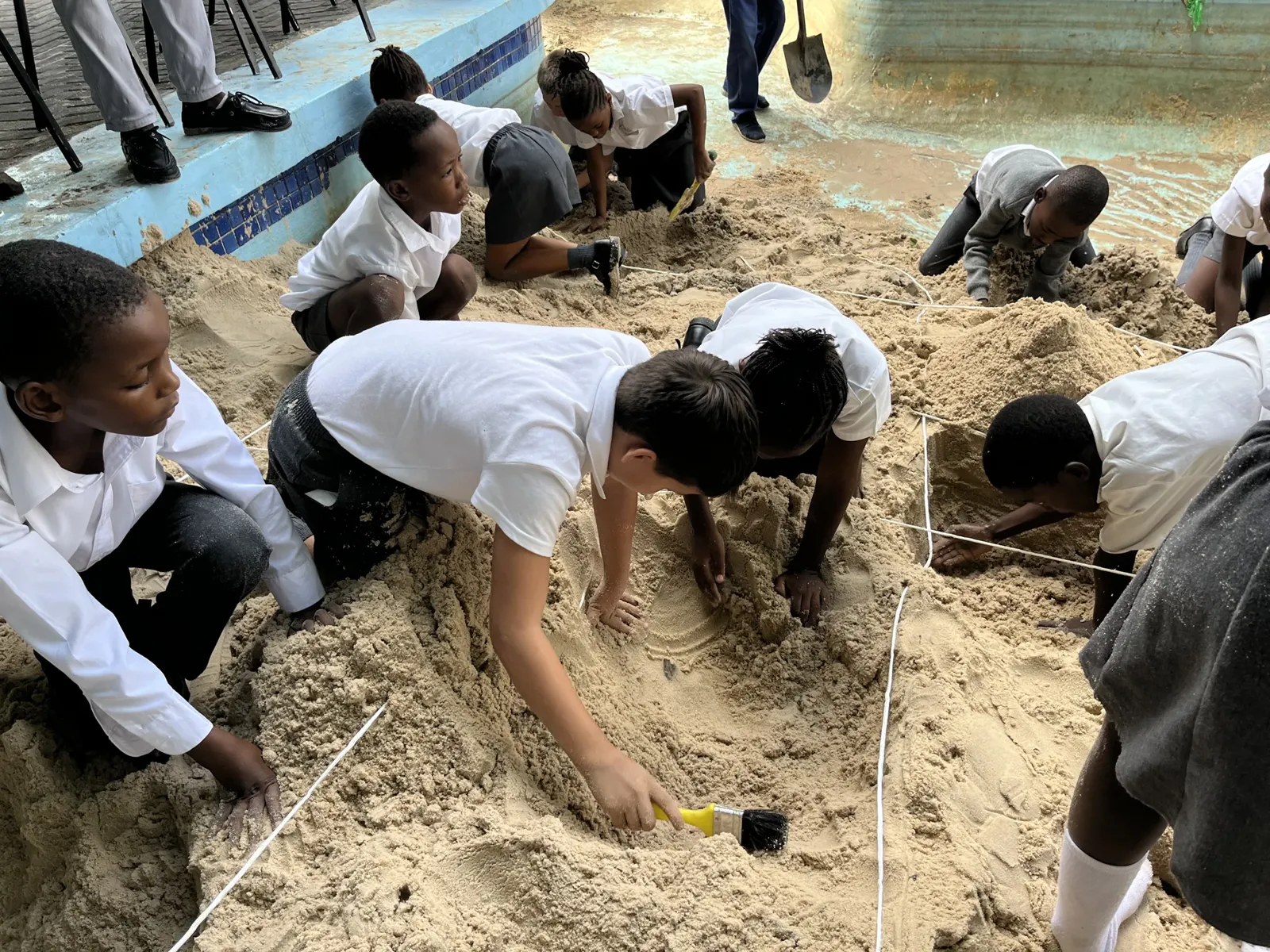
Environmental topics are built into everyday lessons – science, geography, languages, maths and the arts – so conservation becomes part of how children learn, not a once-a-term event.
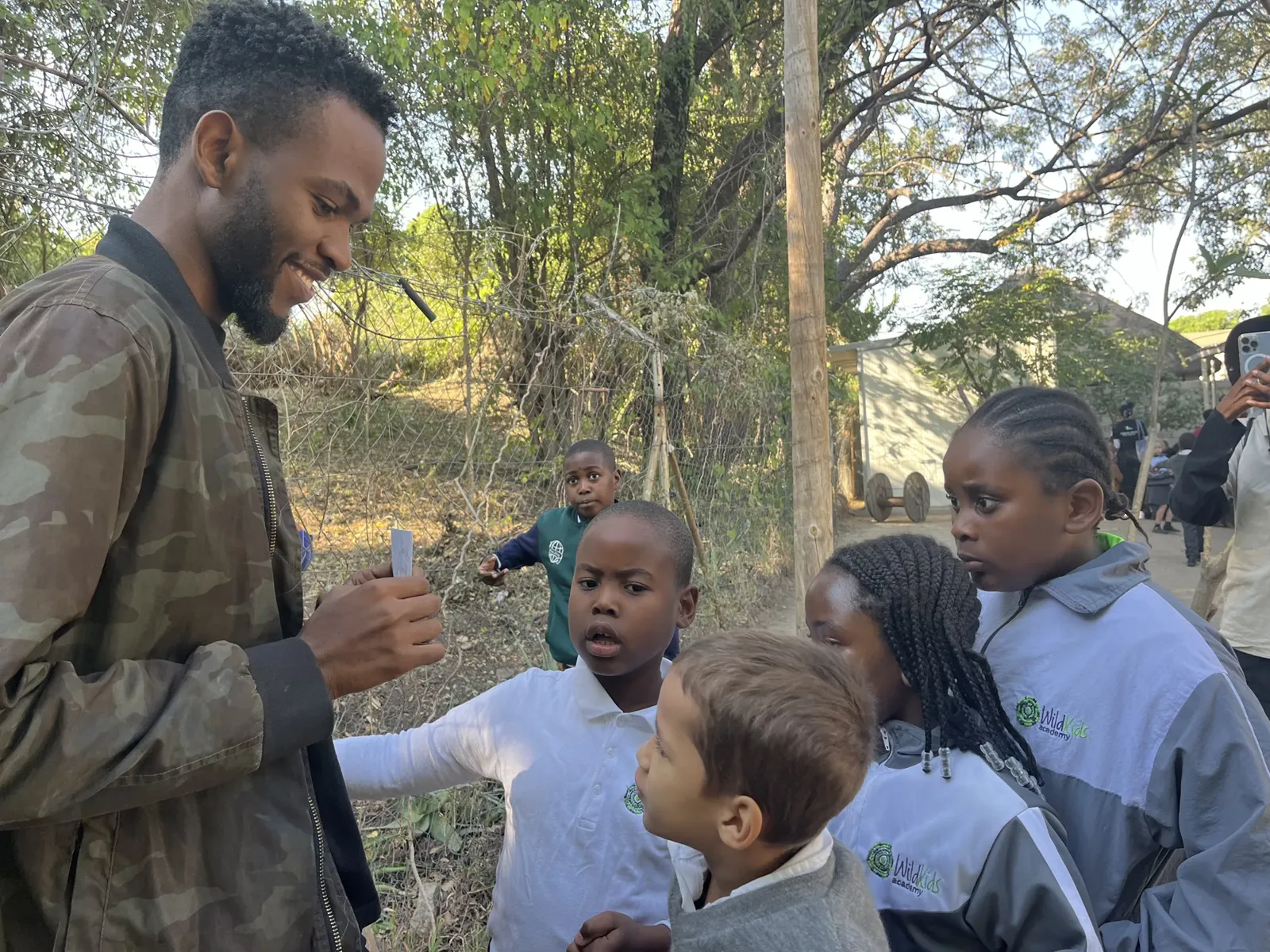
Dedicated environmentalists on our staff plan together with class teachers, so that what happens in the classroom and what happens outdoors connect and reinforce each other.
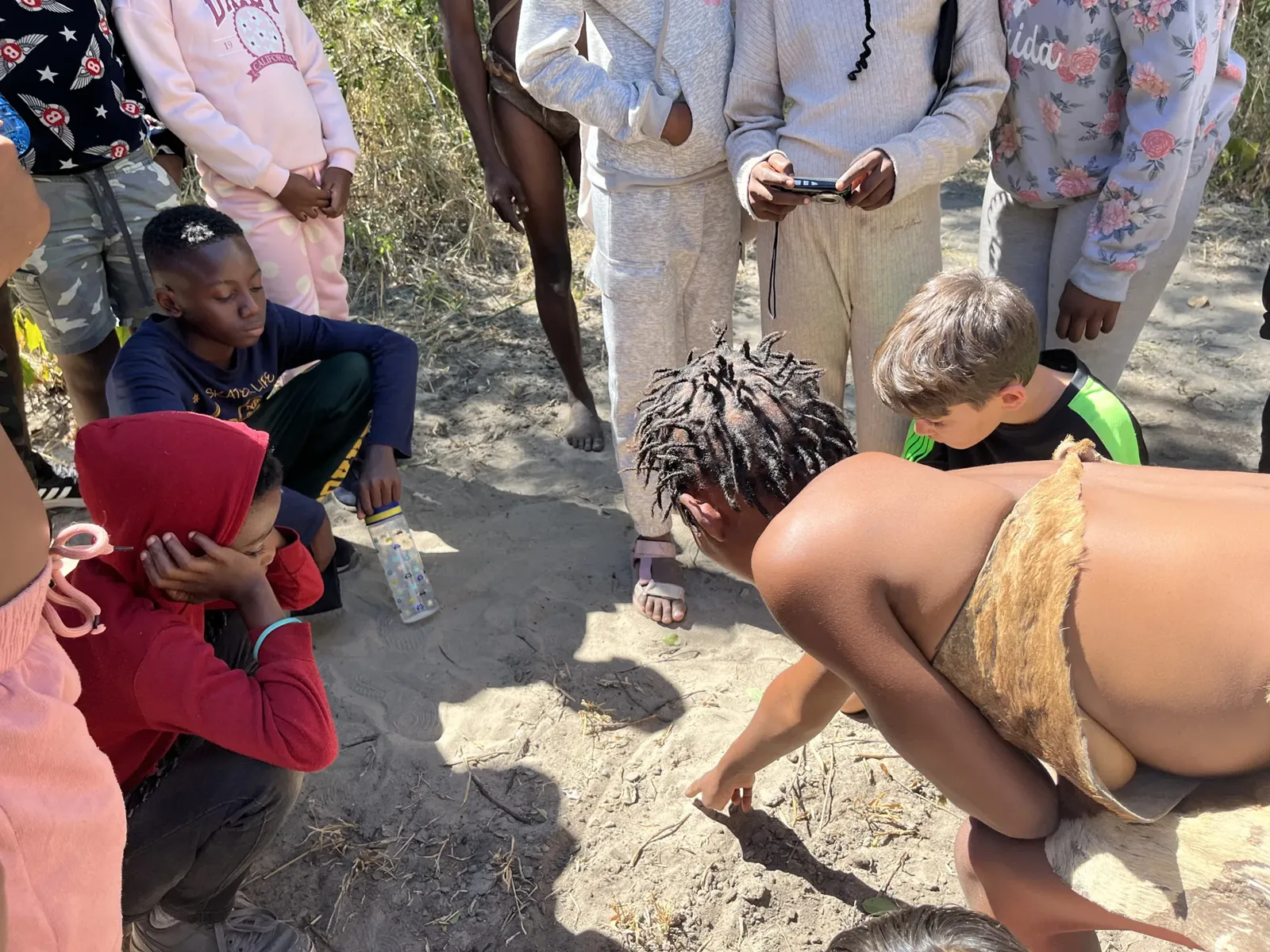
Learners measure, sample, observe and collect data. Field investigations, data collection and meetings with researchers and rangers turn their questions into real scientific experiences.
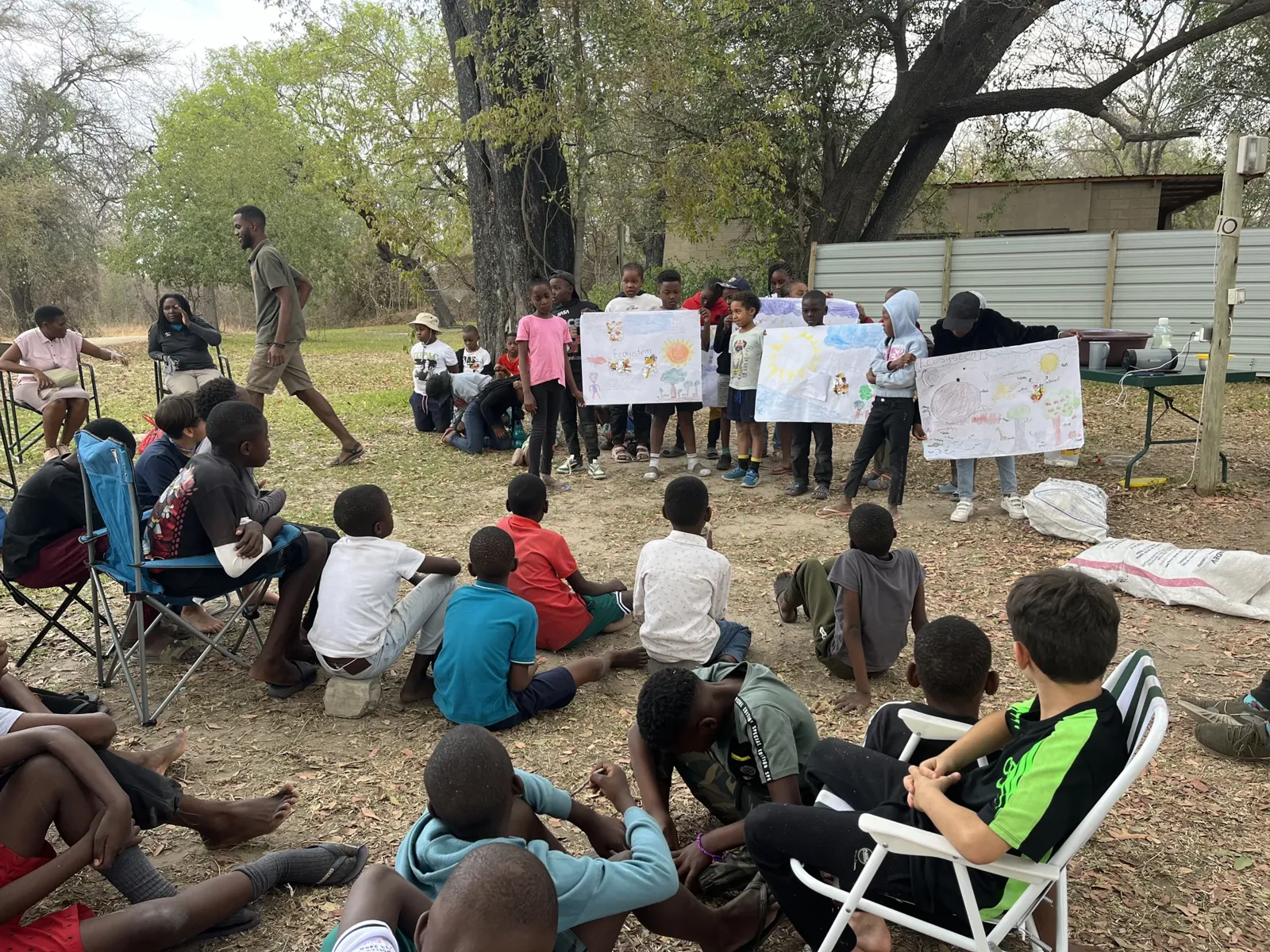
Children take what they learn home. Through presentations, debates, outreach and the Expo they share it with families, community leaders and officials.
Environmental education
Environmentalists guide learning through outdoor classrooms, School in the Bush camps, educational tours and the annual Environment Awareness Expo.
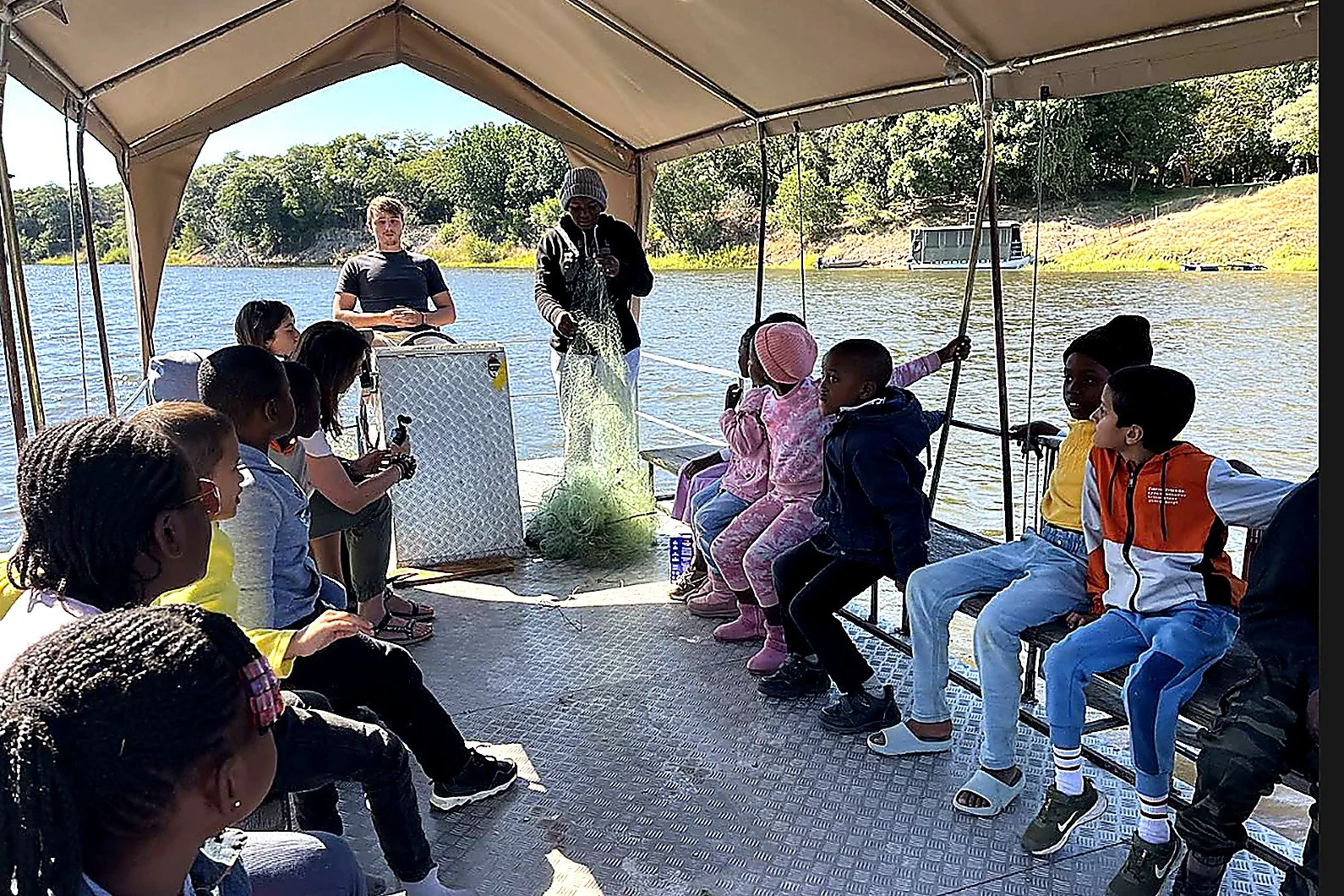
Understand the natural systems that shape the Zambezi landscape.
Develop respect and responsibility for the natural world.
Connect the national curriculum with real-world discovery.
How learning unfolds
Our yearly model gives the whole school a shared focus, and turns a year of learning into something learners can show with pride.
Each year the school chooses one environmental theme – such as climate change, human–wildlife conflict, trees, or biodiversity and cultural heritage.
Teachers and environmentalists weave the theme through the subjects, from science and geography to languages, maths, art and drama.
Each grade explores the theme at its own level: outdoor classrooms for the youngest, camps and field trips for the middle grades, research journeys for the oldest.
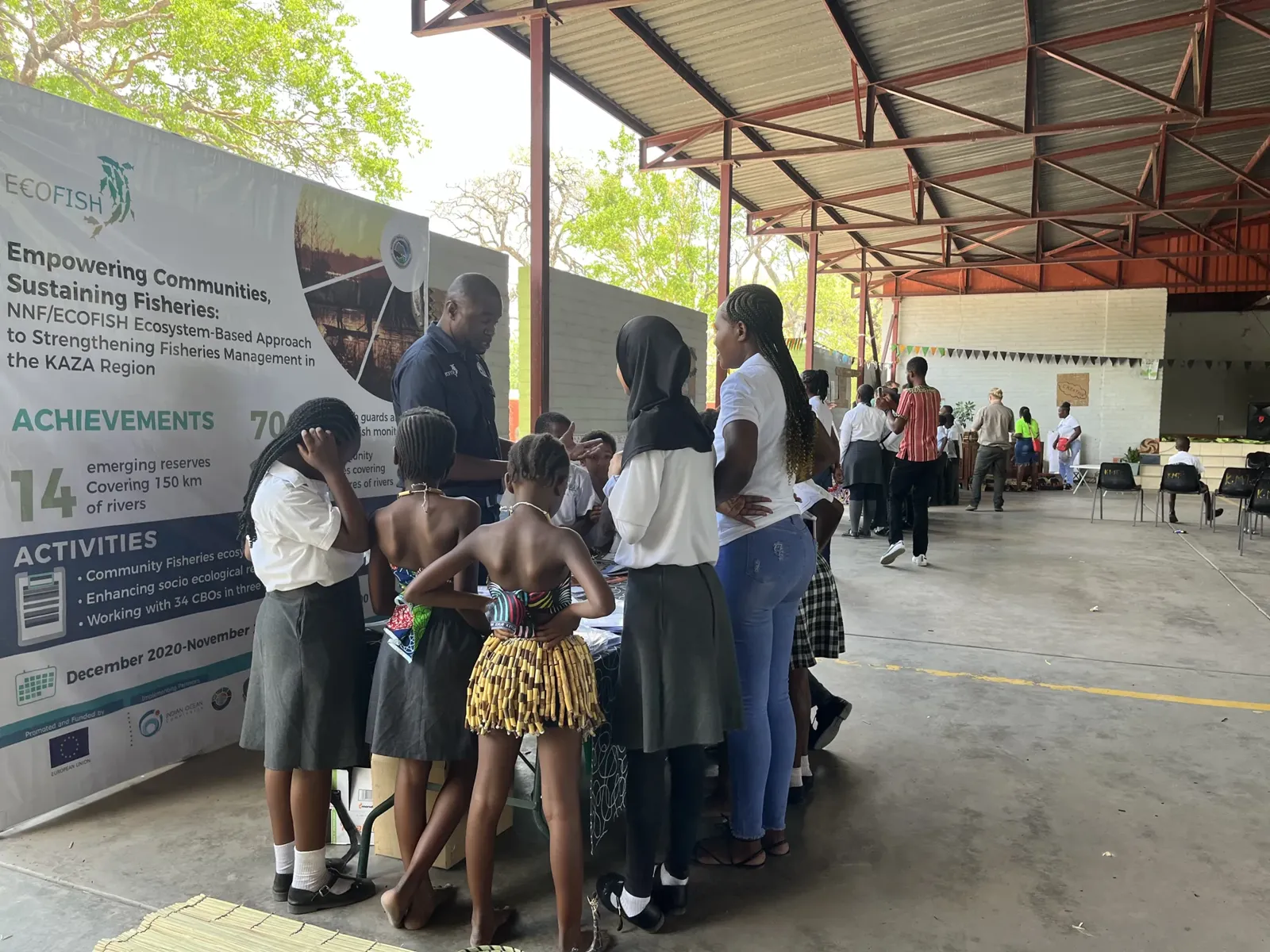
At the annual Environment Awareness Expo, learners present their projects, models, performances and research to parents, the community and invited officials.
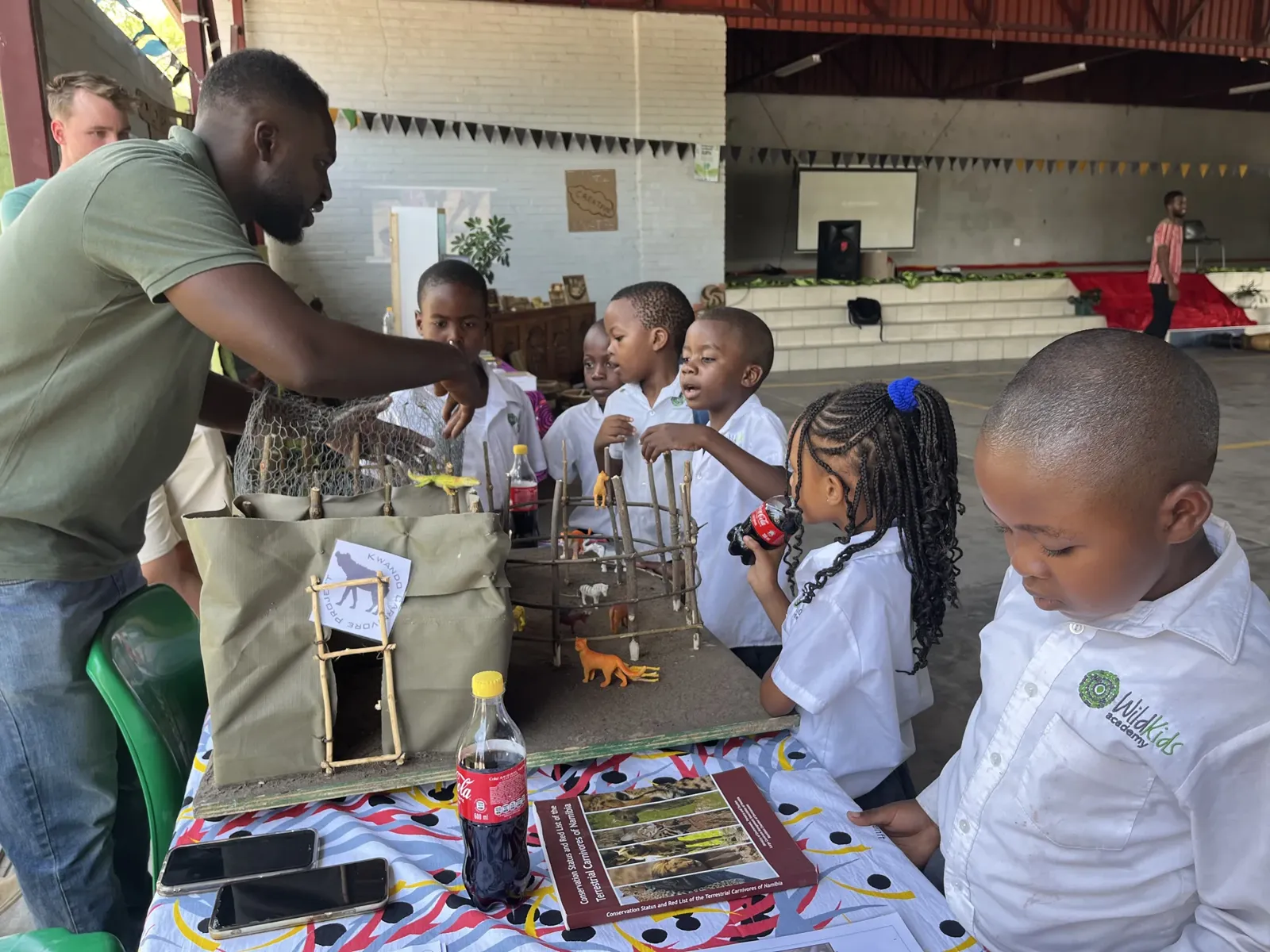
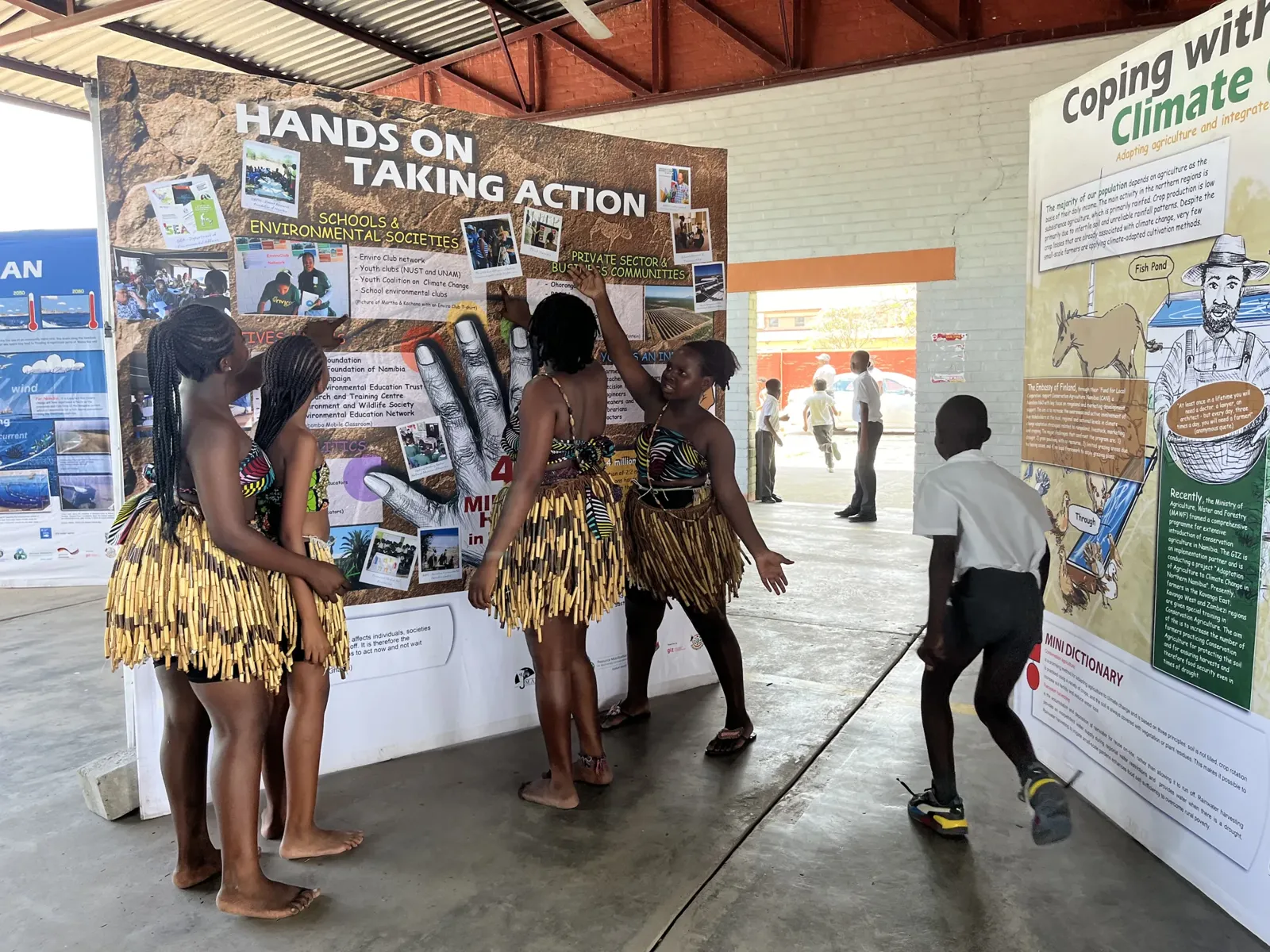
The year's learning is collected in an illustrated booklet for learners, families and other schools.